Table of Contents
If you have ever stood in a sunglass aisle staring at two nearly identical frames with very different price tags, you have probably asked yourself: are polarized sunglasses worth it? It is one of the most searched questions in eyewear right now, and for good reason. The term gets used everywhere, but the actual explanation of what polarized lenses do, who needs them, and whether they justify the cost rarely gets answered clearly. This post breaks it all down from an educational standpoint so you can make an informed decision the next time you invest in a pair.
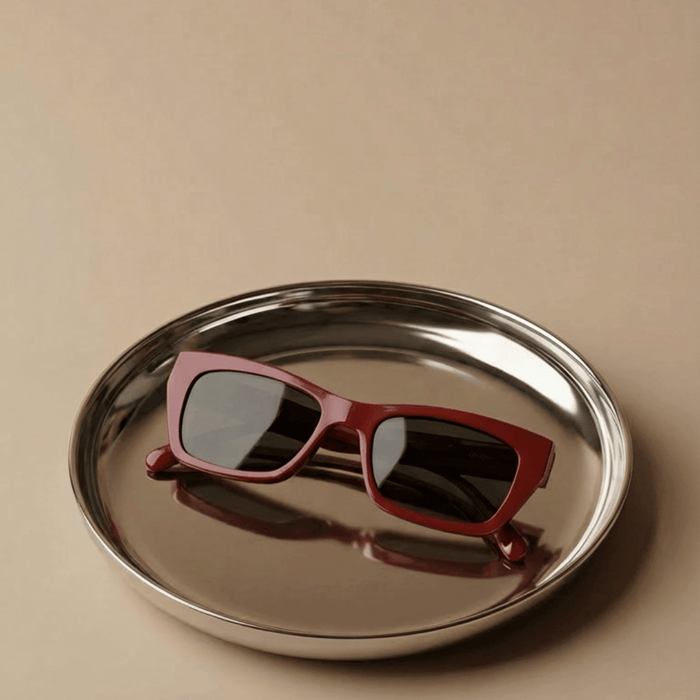
Estate Sunglasses

$413.00
Anea Hill Estate Sunglasses are designer shades that combine style and functionality, providing optimal eye protection for outdoor activities. This shape is popular for its bold and structured look, as it tends to complement facial features with more defined angles,… read more
What Polarized Sunglasses Actually Do
To understand whether are polarized sunglasses worth it applies to you, it helps to understand the science behind how they work.
Standard sunglass lenses reduce the overall amount of light reaching your eyes. Polarized lenses do something more specific. They contain a special filter that blocks horizontally reflected light, which is the kind of glare that bounces off flat surfaces like water, roads, car hoods, and wet pavement.
According to the American Academy of Ophthalmology, polarized lenses block horizontal light waves while allowing vertical light to pass through. The result is a darker but significantly crisper image. Objects appear sharper, details become easier to read, and the visual fatigue caused by squinting against glare is dramatically reduced.
That is not a small difference. Anyone who has driven into low afternoon sun or spent a day near water knows exactly how exhausting unfiltered glare can be on your eyes.
Are Polarized Sunglasses Worth It for Everyday Wear
This is where the question gets practical.
For someone who primarily wears sunglasses for fashion or occasional outdoor use, the difference between polarized and non polarized may feel subtle. But for anyone who wears sunglasses consistently, on commutes, during travel, at outdoor events, or simply as part of their daily routine, the answer to are polarized sunglasses worth it is almost always yes.
Here is why. Glare is not just an inconvenience. It causes your eyes to work harder than they should. Over the course of a day that means more squinting, more eye strain, and more fatigue. Polarized lenses reduce that effort significantly, which makes wearing sunglasses feel genuinely comfortable rather than something you tolerate until you can take them off.
A well engineered pair of sunglasses, according to Vogue Scandinavia, will feature lenses that do not distort what you are looking at, and that is something worth paying for. Polarization is a major part of what separates a lens that performs from one that simply tints your view.
Polarized vs Non Polarized Sunglasses: What Is the Difference
Here is a straightforward comparison to help clarify the distinction:
| Feature | Polarized Lenses | Non Polarized Lenses |
|---|---|---|
| Glare reduction | Yes, significantly | No |
| UV protection | Depends on lens coating | Depends on lens coating |
| Visual clarity | Sharper and crisper | Standard |
| Eye strain reduction | Significant | Minimal |
| Best for | Driving, water, travel, daily wear | Casual, indoor to outdoor use |
| Price point | Typically higher | Typically lower |
One important distinction worth noting: polarization and UV protection are not the same thing. A lens can be polarized without offering full UV protection, and a lens can offer UV protection without being polarized. When shopping for sunglasses, you want both. Look for UV400 protection alongside polarization for complete coverage.
As NBC Select reports, licensed optician Michael Vitale of The Vision Council explains that polarized lenses block glare and increase contrast, making things appear sharper and clearer while also reducing eye strain. UV400 protection, which blocks all UV light up to 400 nanometers, is the highest level of protection available and should be considered a non negotiable in any quality pair.
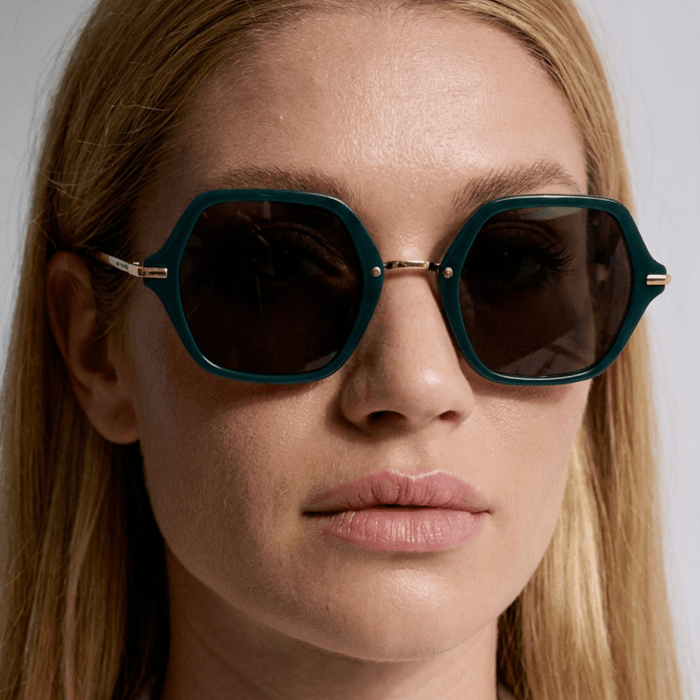
 Portofino Sunglasses
The Eye Health Case for Polarized Lenses
Beyond comfort, there is a genuine health argument for polarized sunglasses worth taking seriously.
Prolonged exposure to UV rays without adequate eye protection carries real risks. According to optometrist Dr. Chris Erwin, writing for the Cleveland Clinic, long term UV exposure can increase the risk of cataracts, macular degeneration, and cancers around the eye. He describes good sunglasses as working like sunscreen for your eyes.
Polarized lenses reduce glare, which encourages you to actually keep your sunglasses on rather than constantly removing them when the light becomes too intense or distorted. Sunglasses that are comfortable to wear all day provide more consistent protection than ones you reach for only occasionally.
This is especially relevant for anyone who has had LASIK or other refractive eye surgery, as eyes can be more sensitive to light and glare following these procedures. Polarized lenses are frequently recommended in these cases because they reduce the visual discomfort that can follow surgery.
Who Benefits Most from Polarized Sunglasses
While most daily wearers benefit from polarized lenses, certain lifestyles make them particularly valuable:
- Drivers — road glare is one of the most common causes of eye strain and momentary vision disruption while driving
- Travelers — airports, reflective surfaces, and varied light conditions make polarized lenses essential for frequent flyers
- Outdoor enthusiasts — water, sand, and snow all create intense reflected glare that polarized lenses significantly reduce
- Women with light sensitivity — those who find bright conditions uncomfortable will notice an immediate improvement with polarized lenses
- Daily wearers — anyone who wears sunglasses consistently throughout the day will feel the difference in eye fatigue by the end of it
If you fall into more than one of these categories, the answer to are polarized sunglasses worth it becomes straightforward.
What to Look For Beyond Polarization
Knowing that polarized lenses are worth it is only the beginning. The lens is one part of what makes a great pair of sunglasses. Here is what else matters:
Frame material: Acetate frames are more durable, flexible, and comfortable than basic plastic. They hold their shape over time and can be gently adjusted for a better fit. If you want to understand why acetate is considered the gold standard in eyewear materials, our post on why acetate sunglasses are the gold standard in luxury eyewear goes deeper into the difference.
Lens clarity: Polarization improves glare reduction, but the base quality of the lens still matters. A poorly made polarized lens can still distort color and reduce visual sharpness. Look for lenses that offer both clarity and polarization rather than treating polarization as a standalone feature.
Fit and comfort: A pair of polarized sunglasses you constantly adjust or want to take off after an hour is not serving its purpose. The frame needs to sit securely, feel balanced, and work with your face rather than against it. This is where adjustable acetate frames make a significant difference, especially for women who have struggled with frames that feel too wide or too heavy.
UV400 rating: Confirm that your sunglasses carry a UV400 rating, which guarantees protection from all UV light up to 400 nanometers. This is the standard you want, and it should appear alongside polarization rather than as a substitute for it.
Why Every Anea Hill Frame Includes Polarized Lenses
At Anea Hill, the decision to include polarized lenses in every single frame was made from the very beginning. Not as an upgrade. Not as an option. As a standard.
The reason is straightforward. If someone is going to wear a pair of sunglasses every day, they deserve lenses that actually support that kind of consistent wear. Polarized lenses reduce glare, sharpen vision, and make being outside feel easier rather than something you manage around.
Our lenses are crafted from a premium material that delivers clarity one level below glass without the heaviness or distortion. The result is a pair of sunglasses that feels effortless to wear all day, whether you are driving, traveling, attending an outdoor event, or simply moving through your daily routine.
Styles like Hampton reflect this philosophy directly. A timeless silhouette built around polarized lenses and adjustable acetate, designed to feel as good as it looks from morning to evening.
Hampton

$413.00
Hampton Polarized Sunglasses by Anea Hill If you are searching for the best sunglasses for women 2026, Hampton is the pair that quietly does it all. Designed as a signature accessory, the Hampton sunglasses combine timeless style with modern performance.… read more
For more guidance on what separates a truly lasting pair from one that falls short, our post on are luxury sunglasses worth it breaks down exactly what you should be paying for and why.
Are Polarized Sunglasses Worth the Price
The final question is about value.
Polarized sunglasses typically cost more than non polarized options, and that gap can feel significant. But the more relevant question is not whether they cost more. It is whether they deliver more.
For daily wearers, the answer is clear. The reduction in eye strain alone makes a meaningful difference in how you feel at the end of a long day outdoors. Add in the sharper visual clarity, the improved comfort, and the long term eye health benefits, and polarized lenses become one of the more justifiable investments in your everyday routine.
The caveat is that not all polarized sunglasses are created equal. A poorly constructed frame with a polarized lens is not the same as a well made pair where the lens quality and frame quality work together. That combination is what makes are polarized sunglasses worth it a yes rather than a maybe.
"You can tell these are not mass produced. There is a level of detail and quality that feels rare right now. The frames feel substantial but not heavy, and the lenses are so crisp it almost surprised me. I also love knowing they are made with more thoughtful materials. It makes the price feel completely justified." — Olivia S., Verified Customer
Ready to experience the difference? Browse the full Anea Hill collection and discover frames where polarized lenses and premium acetate come together in every single pair.
FAQs
Are polarized sunglasses worth it for everyday use?
Yes, for most daily wearers polarized sunglasses are absolutely worth it. They reduce glare from roads, water, and reflective surfaces, decrease eye strain throughout the day, and make wearing sunglasses consistently far more comfortable. At Anea Hill, every frame includes polarized lenses as a standard because we believe anyone wearing sunglasses daily deserves that level of performance and comfort.
What is the difference between polarized and non polarized sunglasses?
Non polarized lenses reduce the overall amount of light reaching your eyes but do not specifically address glare. Polarized lenses contain a special filter that blocks horizontally reflected light, which is the source of most outdoor glare. The result is sharper, clearer vision with significantly less eye strain. Both types can offer UV protection, but only polarized lenses address the specific problem of glare reduction.
Do polarized sunglasses protect your eyes from UV rays?
Polarization and UV protection are two separate features. A polarized lens reduces glare but does not automatically provide UV protection unless the lens also carries a UV rating. Always look for UV400 protection alongside polarization to ensure your eyes are fully protected from both glare and harmful ultraviolet radiation. All Anea Hill frames include both polarized lenses and full UV protection as standard.